
The person behind the work.
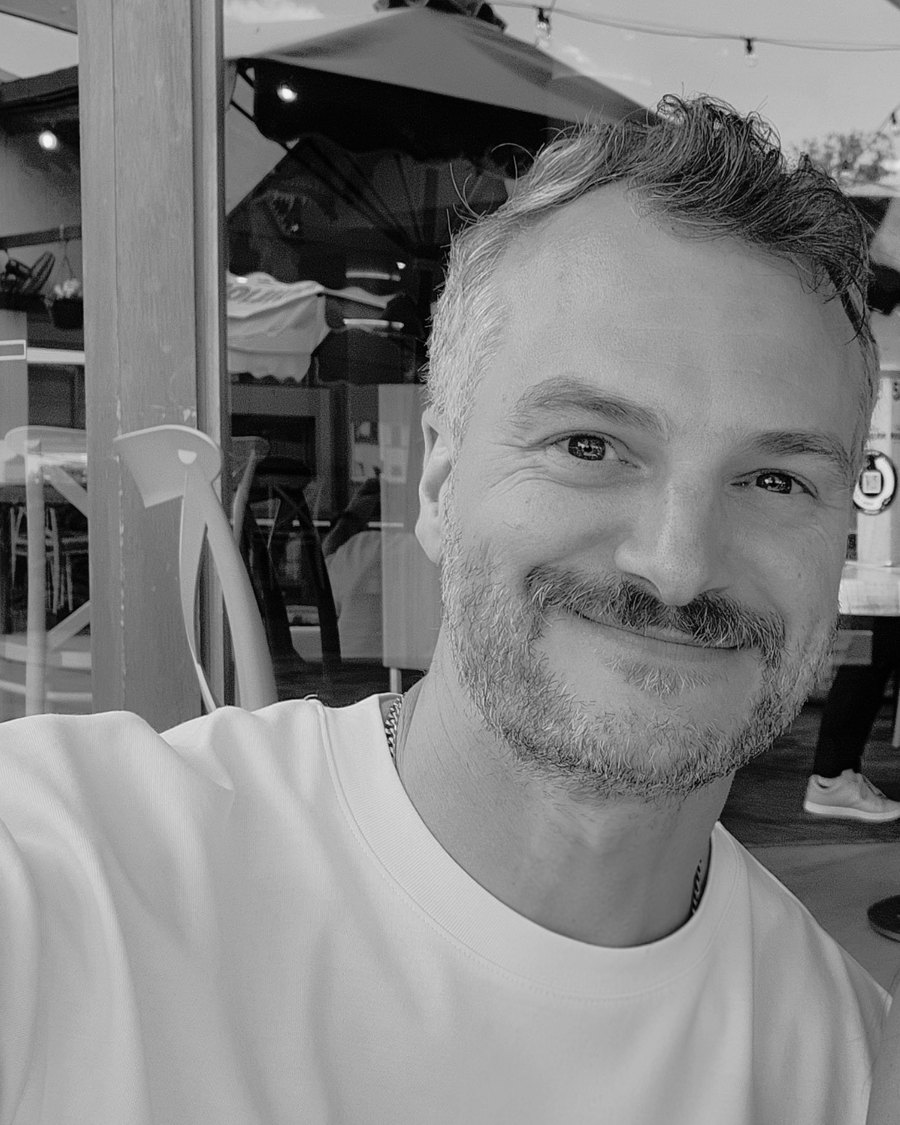
I'm Luke. I make learning people actually finish.
Most online learning is either accurate and dull, or slick and empty. I've spent my career trying to do both well.
I learned to teach in places where it had to stick — night shifts, mid-emergency, no room for “we'll cover that later.” You find out quickly which training works and which doesn't. Since then I've designed and built learning for education, finance and health: whole platforms, semester programs, five-week courses and single modules.
I do the whole process myself, from research and storyboards through visuals, build and launch, because detail gets lost in handovers. I pay attention to the small things: plain words, clean type, and interactions that don't waste people's time.
These days I'm full-time in health sector L&D, so Luna LXD is a portfolio rather than a studio taking briefs. The case studies stay up because the approach behind them hasn't changed.
From brief to launch.
Understand the gap
Talk to the people who'll do the learning, not just the people commissioning it. Find what they get wrong today and why.
Shape the experience
Structure, storyboards and copy. Every activity has to earn its place: if reading is enough, it becomes a paragraph, not a module.
Make it real
Storyline, Rise or the open web, whichever suits the content. Accessible and trackable by default.
Launch and learn
Watch how it's used, fix what confuses people, and report honestly on what changed.